Tuesday, 13 March 2018

Film industry revision

Genre: Different types of category for film e.g horror
Genre theorist: Steven Neale - he believes that people want a sense of repetition and familiarity in the genre
 
Genre stages:
 
Primitive - When the genre is in its infancy, when its characteristics have not been defined, when the genre is not yet accepted as popular
 
Classical - When the characteristics have been defined and people know what to expect of the genre e.g horror
 
Revisionist  - Change-up of what is typically expected of a horror movie. They add in more to the mix.
 
Parodic - One that completely changed the formula of what is expected from a horror film. Horror genre mixed with elements of comedy. The makers will rip off parts from other well-known horror movies e.g Scary Movie 3, which includes The Ring, The Others, Texas Chainsaw Massacre
 
Iconography - Mis-en-scene of the movie
Structure - From geek to princess
Theme - The need to belong to a group
 
Big Six:
  • Disney
  • Universal
  • Warner Bros
  • Fox
  • Sony
  • Paramount
 
Media Plurality - A diversity of viewpoints across media
 
Budget expenditure $60-100 million can be spent on:
  • cast
  • story rights
  • producer+director fees
  • VFX
  • music rights
Vertical Integration: Production, Distribution and Consumption
Production means the making of the film
Distribution means marketing the movie;
Distributors will acquire a film for a fee and gain the rights to sell it (normally on all platforms)*
A % of box office will go back to producers (after they get back all the money they spend)
They will pay for the marketing of the film.
This marketing budget can vary massively. The last Transformers film cost $210m to make and $200m to market. Low budget horror films like The Purge were cheap to make (under $5m) but costly to market (more than $20m)
Consumption means exhibition, the cinemas, how the audience consumes it: licenced products(merchandise)
Synergy:  always mention when something is synergistic to something, e.g Merchandise is synergistic to a movie:


Fordism: Standardising the product, assembly line production


Antitrust laws in link to Vertical Integration - In the late 1940s, the US government brought an end to vertical integration and forced the studios to sell off their cinemas.


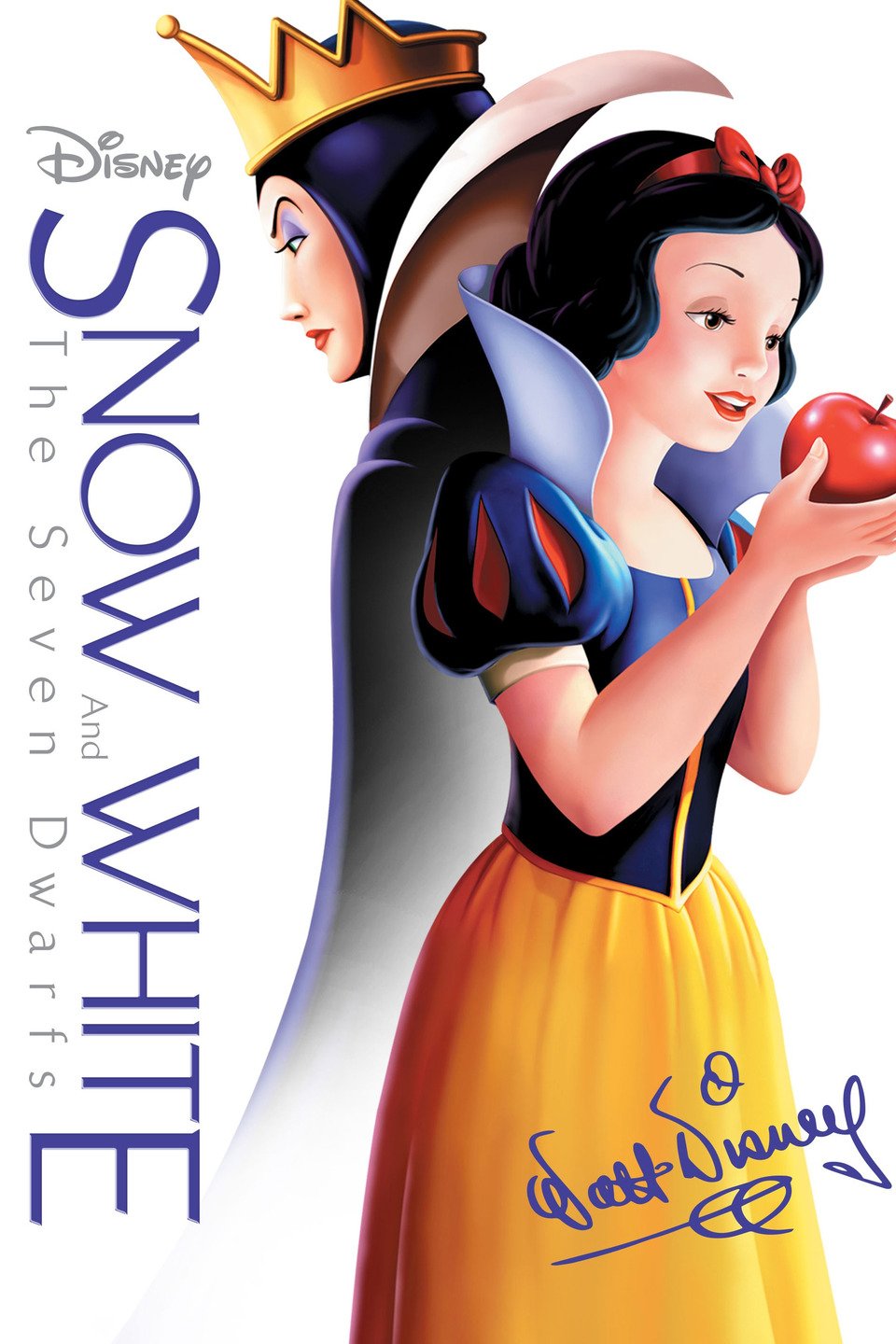
Snow White: Produced by Disney and distributed by Disney
Black Panther: Produced by Marvel, distributed by: Disney
You will be examined on:
  • The methods of production, distribution and exhibition
  • The ownership of the film industry
  • The role of new technology in the film industry
  • The role of regulation in the film industry
    Exam structure:
    • Intro - define key terms, explain case studies - indicate key differences (3 mins) (¼ page?)
    • Main Body 1 - SWSD background in p,d,e (7 mins) (¾ page?)
    • SWSD

      How was it produced?

      How was it distributed?

      How was it exhibited?


    • Main Body 2 - BP detailed examples (10 mins - in comparison) (1 page?)
    • BP

      How was it produced differently?

      How was it distributed differently?

      How was it exhibited differently?

      10 mins


    • Conclusion - Bring together and answer question (what main differences, any similarities?) Future question? (5 mins) (½ page?)


      What are the main differences?

      What are the main similarities?

      What does the future of the film industry hold? (1 sentence)


    Explain the differences in production, distribution and exhibition between SWSD and BP

    Keywords to define.

    Explain case studies (1 sentence)

    Outline key differences (1 sentence)


Practice question on Minecraft

Explain the impact of digitally convergent media platforms on video game production, distribution and consumption.


To answer this question, we are going to be discussing the production, distribution and the consumption of a sandbox video game called Minecraft, which was developed by Markus Notch Persson, a Swedish game designer, and was later fully developed and published by Mojang.


In terms of production, Minecraft is a sandbox video game that allows people to explore different stories and dive into different adventures, was produced by Markus Notch Persson, a Swedish game designer. Minecraft is fairly significant due to the creative and building aspects of Minecraft, which allows players to build with a variety of different cubes in a 3D generated world. This worldwide sandbox video game is also a cross-platform game, which is very significant to people who classify themselves as full time gamers; the game is widely available on Microsoft Windows, Mac OS X, Linus,  PlayStation 4, Android and Nintendo Switch. The fact that Minecraft is available across all platforms is significant because as it's available on Windows PC, this means that users are able to download the game, instead of buying an actual disk copy of the game. This is also convenient for the company, the conglomerate Microsoft, who also owns the game as well as Mojang, because it's cheaper for them, as they don't need to make that many disk copies, when users can just get the game through downloading it.

The distribution of Minecraft is again, very wide and varied. As we've already mentioned that the game is widely available on Microsoft Windows, Mac OS X, Linus,  PlayStation 4, Android and Nintendo Switch, this would've helped the distribution of the game very much, as it would've reached a variety of audiences. Further, another distribution is the fact that Minecraft has its own licenced products, which are widely available; consisting of toys, backpacks for school, etc that take form of 3D blocks to signify the game. There are also Minecraft magazines that are available to the audience, which includes all the tricks and tips that can be used in the game, for example how to build certain things, like tricky buildings. Moreover, Minecraft has its own marketing campaign, such as building a colossal machine inside the game to advertise a new update.

The consumption revolves around the audience. The audience will probably play Minecraft on any platform of their choice, as it's widely available on all cross-platforms. Seeing as the game allows multiplayer or single-player, players can choose to play in whichever mode they want. However, there's so much more to Minecraft that users can do. For example, there are different modes, which means users can select different types of stories, such as adventure stories and can interact differently with them. Minecraft fandom can also consume the game through YouTube, such as filming walkthroughs, teaching other users how to play and doing tutorials on how to build certain things, etc. Further, users can interact through a cultural poacher, which means they can create mods for their game, which is different types of customization added to your game. This can be done by downloading them and putting them into your games folder, or you can simply buy the mods through different trust-worthy websites. Henry Jenkins' idea of a fandom is also beneficial to Minecraft, because since it has its own fandom, users can help promote the game significantly to its success by again, the creation of different mods, fan art, fiction, cosplay and tutorials. The significance of a fandom is beneficial because it can attract different types of new audiences and lead the game to its high success.


Monday, 12 March 2018

Essay on Henry Jenkins.

DEFINE JENKINS THEORY OF FANDOM, HOW DO CONVERGING PLATFORMS AND NEW DISTRIBUTION METHODS HELP MINECRAFT FANS BECOME TEXTUAL POACHERS?


In this essay, we are going to examine how converging platforms and new distribution methods help Minecraft fans become textual poachers, using Henry Jenkins' Theory of Fandom.

Jenkins' theory of Fandom is of which describes communities built around a shared enjoyment of an aspect of popular culture, such as books, movies, TV shows, bands, sports or sports teams, etc. Fan cultures are examples of participatory cultures. Participatory cultures involve fans acting not only as consumers but also as producers and creators of some form of creative media. Also, he was interested in convergence culture, which meant different types of media coming together. Jenkins makes the argument that convergence is less about a technological process and more about a cultural shift as consumers are encouraged to seek out new information and make connections amongst dispersed media content, this is completely opposite to the Hypodermic needle theory, as Jenkins here, seems to have a positive outlook on the media, whereas the Hypodermic needle theory says we are all addicted to the media, as if it was a drug to us. Furthermore, Jenkins belongs to a group of Media thinkers who are highly optimistic about the media. They view the media, and Web 2.0 as empowering to the audience, breaking down traditional boundaries of class and status. The audience is interactive and powerful. They can participate and create their own narratives, questioning messages and generating their own ideas.

An example of converging platforms would be Minecraft, a sandbox video game, created by Markus Noch Persson, a Swedish game video programmer, and was later developed and published by Mojang, who were a group of Swedish video programmers. This is particularly significant as Minecraft is a cross-platform video game, which means it is accessible through different types of platforms; Windows PC, PlayStation 4, Nintendo Switch, Android and more. This is beneficial to the audience because different types of platforms can reach different types of audiences, therefore making Minecraft successful and more fun to play, as users can make new friends with different types of people.

Minecraft's distribution is quite broad and varied. As we've already mentioned that the game is widely available on Microsoft Windows, Mac OS X, Linus, PlayStation 4, Android and Nintendo Switch, this would've helped the distribution of the game very much, as it would've reached a variety of audiences. Further, another distribution is the fact that Minecraft has its own licenced products, which are widely available; consisting of toys, backpacks for school, etc, that take form of 3D blocks to signify the game and lastly, Minecraft had its own marketing campaign, such as building a colossal machine inside the game to advertise a new update. This is when the idea of consumption and participatory culture comes in, when users are in-game, they may think that the default style of Minecraft is quite boring, so they may want to add something into the game to make it more fun to play; mods, which are different types of customization made by different, many users. Mods can be beneficial because they make the game look more appealing and interesting to play, you can get them by downloading them and putting them into your games folder, or you can simply buy the mods through different trust-worthy websites. Further, this links to Henry Jenkins' idea of a fandom, which is also beneficial to Minecraft, because since it has its own fandom, users can help promote the game significantly to its success by again, the creation of different mods, fan art, fiction, cosplay and tutorials. Minecraft fandom can also consume the game through YouTube, such as filming walkthroughs, teaching other users how to play and doing tutorials on how to build certain things, etc. Also, users can interact through a cultural poacher, which means they can create mods for their game, etc. The significance of a fandom is beneficial because it can attract different types of new audiences and lead the game to its high success.


In conclusion, I think that converging platforms, new and different types of distribution methods, as well as Jenkins' theory of Fandom, really do help Minecraft fans become textual poachers. Like it was said, the converging platforms help Minecraft spread to different types of audiences, and the fact that it's available on all cross platforms, is even better for the gamers, cause some platforms may be easier to play on than others, or it may be just a personal preference. Minecraft's licenced products are also advantageous because it may make the audience feel happy and excited about the latest products that have come out and WILL come out in the future, etc. Mods are also a great way to consume the game, because again, it makes the game look more attractive and fun for the user to play and Henry Jenkins' theory of Fandom is also just as useful as all of those other factors here, because users can create their own fan-fictions, mods, stories, fan art, cosplay and even tutorials. So I think that converging platforms, new and different types of distribution methods, as well as Jenkins' theory of Fandom, really do help Minecraft fans become textual poachers to a great extent.


Friday, 9 March 2018

BBFC.


Cinema and home video releases are regulated by the BBFC (British board of film classification) a self regulatory body established in 1912


Every film is sent (they pay the bbfc obviously) to the BBFC so that they get an age rating.


Exam structure.

Exam structure:
  • Intro - define key terms, explain case studies - indicate key differences (3 mins) (¼ page?)
  • Main Body 1 - SWSD background in p,d,e (7 mins) (¾ page?)
  • SWSD
    How was it produced?
    How was it distributed?
    How was it exhibited?


  • Main Body 2 - BP detailed examples (10 mins - in comparison) (1 page?)
  • BP
    How was it produced differently?
    How was it distributed differently?
    How was it exhibited differently?
    10 mins


  • Conclusion - Bring together and answer question (what main differences, any similarities?) Future question? (5 mins) (½ page?)

    What are the main differences?
    What are the main similarities?
    What does the future of the film industry hold? (1 sentence)


Explain the differences in production, distribution and exhibition between SWSD and BP
Keywords to define.
Explain case studies (1 sentence)
Outline key differences (1 sentence)


Monday, 5 March 2018

Henry Jenkins. (Media theorist)


Henry Jenkins.


  • American media scholar
  • Convergence Culture - Different types of media converging together.
  • Jenkins is interested in media, the online world, or media 2.0. (web 2.0, current state of online world/technology as it compares to the early days of the web e.g 90s)
  • Jenkins makes the argument that convergence is less about a technological process and more about a cultural shift as consumers are encouraged to seek out new information and make connections amongst dispersed media content.‘ <---- He makes a positive statement about media, whereas the Hypodermic Needle Syringe is pessimistic about media.
  • Media Audience Theory; - Media Convergence, -Participatory Cultures, -Collective Intelligence
Participatory Cultures - (1) A change whereby rather than media producers and consumers occupying separate roles, they now interact with each other ‘according to a new set of rules,’ which nobody as yet fully understands. • Some consumers have a greater ability to ‘participate’ in this emerging culture than others. (2) Participatory culture is an opposing concept to consumer culture — in other words a culture in which private individuals (the public) do not act as consumers only, but also as contributors or producers


Collective Intelligence - Media causes a buzz in consumer communities which are of increasing value to media producers. • Subsequently, consumption has become a collective process by which we pool our resources and combine our skills.


Jenkins belongs to a group of Media thinkers who are highly optimistic about the Media.  They view the Media, and Web 2.0 as empowering to the audience, breaking down traditional boundaries of class and status. The audience is interactive and powerful.  They can participate and create their own narratives, questioning messages and generating their own ideas.

Jenkins, Shirky and others clearly contrast with the more traditional media effects theory models, which see the media as powerful and the audience as passive.
Fandom - Basically a group of people dedicated to a specific thing in the media, e.g a film, an artist, etc

How might gamers be textual poachers? - basically how can gamers be active

Through this "poaching", the fans carried out such creative cultural activities as rethinking personal identity issues such as gender and sexuality; writing stories to shift focus onto a media "storyworld's" secondary characters; producing content to expand of the timelines of a storyworld; or filling in missing scenes in the storyworld's official narratives order to better satisfy the fan community.
Gamers can interact by creating their own characters and customizing them, they can also choose what story they want to play, for example, in Minecraft. They can also interact by talking through their headpiece set. Gamers can also create mods or download mods into their game.

HOMEWORK DUE 12TH MARCH - 500 WORDS; DEFINE JENKINS THEORY OF FANDOM, HOW DO CONVERGING PLATFORMS AND NEW DISTRIBUTION METHODS HELP MINECRAFT FANS BECOME TEXTUAL POACHERS?
  • definition and dates for jerkins' theory
  • converging platforms - minecraft cross-platform gaming, can be accessed on a range of platforms and devices
  • Distribution - how the audience gets the game e.g pay for it? a free copy? are there mods? < participatory culture
  • media 2.0
  • synergy: allows for convergence
  • e.gs of textual poachers


Monday, 26 February 2018

Minecraft & Marketing

Synergy - The interaction of two or more forces working together to create a greater impact than what would be created individually e.g Lion King movie > toys, music cds, etc


Sunday, 25 February 2018

Cross platform gaming reading.

1. Give a definition of cross-platform gaming: 


When you can play a game on different platforms such as on Xbox, PC, mobile, etc 

2. Why is Microsoft's "Better Together" update so exciting for the gaming world?

It's exciting for the gaming world and for the users because it's different versions of Minecraft being consolidated into one master version, with the same features, functionality and content. So, the console versions of Minecraft on Xbox One will now run the same version of Minecraft as PCs, mobile and VR. It's also exciting because creating a single version of Minecraft across all these platforms is that cross-play will be possible between these Minecraft games. 

3. Why might there be concerns over online child protection? kids would be exposed to older and different types of people maybe


4. cross-platform gaming, pros and cons: 


  • You will reach a broader audience and most likely get a bigger fan base than you already had.
  • You can most likely reuse a large quantity of your code and artwork.
  • You will save time and money by working on an already finished product.
  • You get experience in creating games on different platforms which is great to have in your portfolio.
  • It is a great way to advertise yourself and your abilities as well as you game.
The cons:
    • It will be expensive and time consuming to design on multiple platforms. (But less expensive and time consuming than making entirely new games)
    • The framework you are using may not support every feature of every operating system. If for instance iOS, Android or Windows Phone get a new feature, you will have to update the framework to support the changes.


      Friday, 23 February 2018

      The Little Mermaid Plan.

      The Little Mermaid:


      - outline social media strategy - snapchat filters, events, twitter hashtags, facebook pages, etc


      Image result for mermaid filterImage result for the little mermaid merch
      A mermaid-like snapchat filter which turns the person into a mermaid looking creature. A summer event in a waterpark, a mermaid dance show(synchronised swimming show) and a stall where the mermaid actors sell mermaid tails and show how to use them and give tips on how to swim with them more easily

      Image result for mermaid makeup[Image result for mermaid makeup[


      - licensed products plan, what and why: I'd use dolls and costumes for the Little Mermaid's merchandise(licensed products) because the movie is aimed at little girls, and I think having dolls, toys and costumes that are associated with The Little Mermaid would be significant because it'd make them feel like they're mermaids and that they're a part of The Little Mermaid's world.

      - brand partnerships - who with and why - they could work with Fiji water and they could advertise the Fiji water bottles and encourage people to buy them more

      Wednesday, 21 February 2018

      Written Case Study: Black Panther

      Related image
      Black Panther.


      Black Panther: After the death of his father, T'Challa returns home to the African nation of Wakanda to take his rightful place as king. When a powerful enemy suddenly reappears, T'Challa's mettle as king -- and as Black Panther -- gets tested when he's drawn into a conflict that puts the fate of Wakanda and the entire world at risk. Faced with treachery and danger, the young king must rally his allies and release the full power of Black Panther to defeat his foes and secure the safety of his people.


      Black Panther is a 2018 American superhero film based on the Marvel Comics character of the same name. The production company is Marvel Studios, which  is an American motion picture studio based at The Walt Disney Studios in Burbank, California, famous for the1937 Snow White and the Seven Dwarfs, as well as other animated movies. The movie consists of a black cast, which is synergistic to 'Black Panther', this is because it is believed that there aren't enough movies with a black cast, and they decided they're going to make more movies that have more Asian superheroes and more from India. They didn't feel like TV was diverse enough, in terms of race. Moreover, the movie's budget was $200 million, this is due to the expenditure of costumes, make-up, special effects, props and much more. Further, the superhero movie had various ways of marketing, for example, SuCh Charles, a 32-year-old singer and songwriter from Denver, saw a trailer for Black Panther, she was moved to organize an event to bring together Denver’s black community, to celebrate the first Marvel movie that featured a black protagonist; "“I needed to do something in which it brings the community together, especially in the political times that we’re in,”. They've also released trailers so that the media can access them through whatever:


      This movie is said to soon be the biggest hit, and perhaps a blockbuster movie, which could possibly beat Wonder Woman's record, which was also a hit. Further, the movie has already released its own licensed products, such as toys(figurines), clothes and many other things;
      They've also had branded partnerships, here is an example:

      Thursday, 8 February 2018

      Walt Disney Studios

      Walt Disney Studios


      Founded by Walt and his brother in 1923
      Started by making short animations to be shown as part of a cinema programme
      1928 Steamboat Willie (1st Mickey Mouse)

      1937 Snow White and the Seven Dwarfs (1st feature length animation) Distributed by RKO
      Image result
      Snow White 1937 
      Jealous of Snow White's beauty, the wicked queen orders the murder of her innocent stepdaughter, but later discovers that Snow White is still alive and hiding in a cottage with seven friendly little miners. Disguising herself as a hag, the queen brings a poisoned apple to Snow White, who falls into a death-like sleep that can be broken only by a kiss from the prince.

      • Image result for snow white merch
      • Image result for snow white merch
      • Box Office $7 million
      • 1950 - First ‘live action’ films start
      • 1950 - Starts working in TV
      • 1955 - Mickey Mouse Club on TV
      • 1955 - Disneyland opens
      • 1964 - Mary Poppins released (nominated for Oscars)
      • 1966 - Walt dies
      • Snow White is in the top 10.
      • Re-released: 1944, 1952, 1958, 1967, 1975, 1983, 1987 and 1993 
      • It was the first blockbuster of the sound era

      • How does Disney make money?
      • Media Networks(tv),
      • Parks and Resorts(domestic and international) ,
      • Studio Entertainment(theatrical distribution,
      • home entertainment),
      • Consumer goods(licensed products, retail),
      • Interactive(games)
      • Related image

      Monday, 5 February 2018

      vox pox

      1. Are you a gamer?

      2. If so, what types of games? Give examples?

      3. Do you feel that games can influence people's behaviour or not?

      4. Do you think that games could be positive?

      5. Its said games can affect your mental health, do you believe this?

      6. is there association between video games and aggression?

      Groups of people: teachers = rob

      students